The Biden-Haris Administration extended student loan repayment through August 31st, which will provide additional time for borrowers to plan for the resumption of payments, reducing the risk of delinquency and defaults after a restart. The Department of Education will also continue to provide loan relief to borrowers who have been defrauded by their institutions and those eligible for relief through the Public Service Loan Forgiveness program. Even though this is a temporary relief many borrowers don’t know that once repayment has begun inflation will play a key role in their increased expenses (Helhoski,2022).
 Here's how inflation will impact the different loan types:
The Effect of Inflation on Student Loans
As inflation increases, many student borrowers are in fear of not being able to pay back their loans. In March 2022, inflation has hit a 40-year record high of 8.5%, decreasing slightly to 8.3% in April 2022 (Kenkare,2022). As alarming as this should be, don't show concern. They believe that high inflation results in the value of the dollar being less. Therefore a large sum of student debt is now worth less. However, this is not the full truth. Inflation is the measure of purchasing power of money and the increase in prices over a given period of time. The Federal Reserve, the central banking system in the US, has the goal of keeping inflation around 2% each year. This matches the standard yearly growth rate for the economy. However, when inflation rises past this 2% mark too quickly, the prices of goods and services rise, requiring more money for everyday essentials and housing (Kenkare,2022). What this means for borrowers is that as inflation keeps increasing, the Fed continues to raise the federal fund rate; the rate it costs banks to lend to one another (Kenkare,2022). In response, banks increase consumer interest rates on loans and other financial products to be done for reasons of trying to contain inflation. The goal is to make it less tempting for consumers to borrow money. This in return helps balance the scales of supply and demand, stabilizes the economy, and lowers inflation (Kenkare,2022).Wages and Inflation
Furthermore, many borrowers don’t know that wages contribute to this dilemma. Student loan expert Mark Kantrowitz says, "Inflation dictates that a dollar ten years ago is worth more than a dollar today. So, as long as wages are rising along with inflation, the debt for a loan borrowed in the past will hold less value today." This means that if wages were raised as high as inflation, paying back student debts would so much easier but currently, it’s not. The federally mandated minimum wage in the United States is $7.25 U.S. dollars per hour, although it varies from state to state (McDonald,2021). Therefore, according to wages, many student borrowers will not benefit from devalued student debt.
Here's how inflation will impact the different loan types:
Federal student loans
Federal student loans are fixed-rate (Loe,2022). Which means its interest rate stays the same over time. Inflation could work in the borrower's favor if wages rise alongside inflation, as it devalues the borrower’s debt. If wages aren't increasing alongside inflation, the rising prices will just stretch the borrower's bill even more. This will result in the borrower having difficulty paying back the loans.Private student loans
Private loans can be either fixed-rate or variable ((Loe,2022). For fixed-rate borrowers, the interest rate will stay the same. But for adjustable-rate loans, rates could get high if it hasn't already. If inflation rates go up, interest rates go up right along with it.The new borrower in 2022
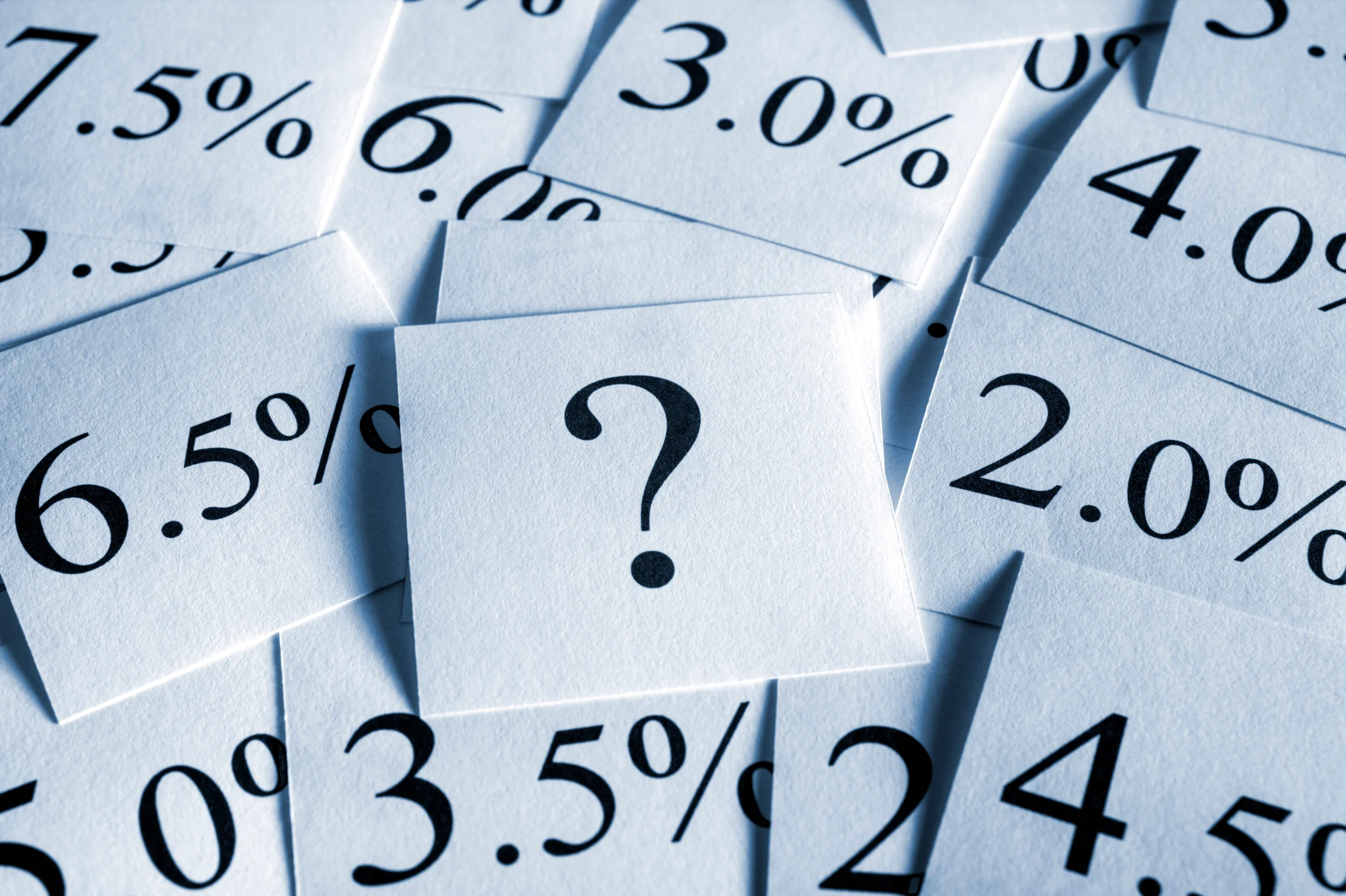
Since federal student loan interest rates reset annually on July 1, both private and federal student loans could be higher for the 2022-23 school year. Interest rates are as followed (Loe,2022):- Undergraduate loans: 4.99%
- Graduate Direct Unsubsidized loans: 6.54%
- PLUS loans: 7.54%