
Financial Planning for Educators – What You Need to Know Now
Educators play a vital role in shaping the next generation. While teaching may not be the highest-paying career, smart financial planning can make a big difference.
Many benefits of being a teacher are hidden. Once you discover them, you might wonder why no one told you sooner.
Here are practical financial tips that can help nearly any educator.
1. Pay off Your Student Loans
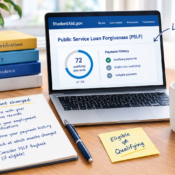
For any teacher that just graduated, they may have student loans to repay. If the amount they owe is a lot, interest charges make it even harder. Make paying off your loans a top priority. This prevents long-term financial stress.Teachers in certain subjects or departments may qualify for loan forgiveness. The Teacher Loan Forgiveness program offers up to $17,500 to eligible applicants.
To qualify, you must be a highly qualified teacher. That requires three things:
-
A bachelor’s degree
-
Full state certification
-
No emergency, temporary, or provisional certification
Teacher Loan Forgiveness can relieve stress and save thousands of dollars over time. Every dollar counts toward financial freedom.
2. Claim your Educator Tax Deductions
Educators can claim special tax deductions. For example, you can deduct up to $300 for classroom supplies.
Always keep receipts for supplies you purchase. If some receipts are missing, maintain a log of your expenses.
These deductions let you recover money spent on tools and materials for your classroom. They ensure you get the most from your hard-earned dollars.
3. Search for supplies
While on the topic of classroom supplies, you do not always have to purchase them to get them. Sometimes, you can score all — or most — of your necessary classroom supplies from colleagues who may have extras or can let you borrow them. Educators know what other educators have to go through to get supplies sometimes, and with that, they may be more willing to share or donate essential materials to you. It’s never bad to ask for some help in this department.Retiring teachers often want to downsize. They may give away materials you can use. Parents can also help. Sending home a wishlist or mentioning needed items during conferences can lead to generous donations.
With supplies getting increasingly expensive, finding any way to get them for free is a great technique to keep your classroom and bank account full. Saving money is always good, and doing it, in any case, is a beautiful task to accomplish.4. Use the Teacher Discount
Many people might not know this, but a discount is explicitly made for educators. While not available at all stores, it is never wrong to ask if they do. A teacher discount is just like a military discount in which educators get a set percentage taken off of their total. The total could be 10% or 15%, depending on the store you ask. These discounts can be good when purchasing classroom supplies, books and magazines, electronics, entertainment, clothes, and more. Always ask if a discount is available. You might be surprised by how much you can save.5. Tutor on the Side
Tutoring provides extra income and fits around your teaching schedule. You can tutor after school or on weekends.
Rates range from $20 to $100 per hour, depending on the subject and location.
Tutoring also deepens your teaching experience. It allows you to practice your skills and positively impact more students.
Teaching is not the highest-paying job but is one of the most valuable. Being an educator may only sometimes supply the big bucks, but by following these tips, you can make the most out of your savings and what you can get back by being a teacher.Recent Posts

What’s Actually Happening With SAVE Right Now?