
March 23, 2026
Student Loans Are Moving to Treasury: What This Major Change Means for Borrowers
A major shift is underway in how federal student loans are managed, and it could affect millions of borrowers in the years ahead.
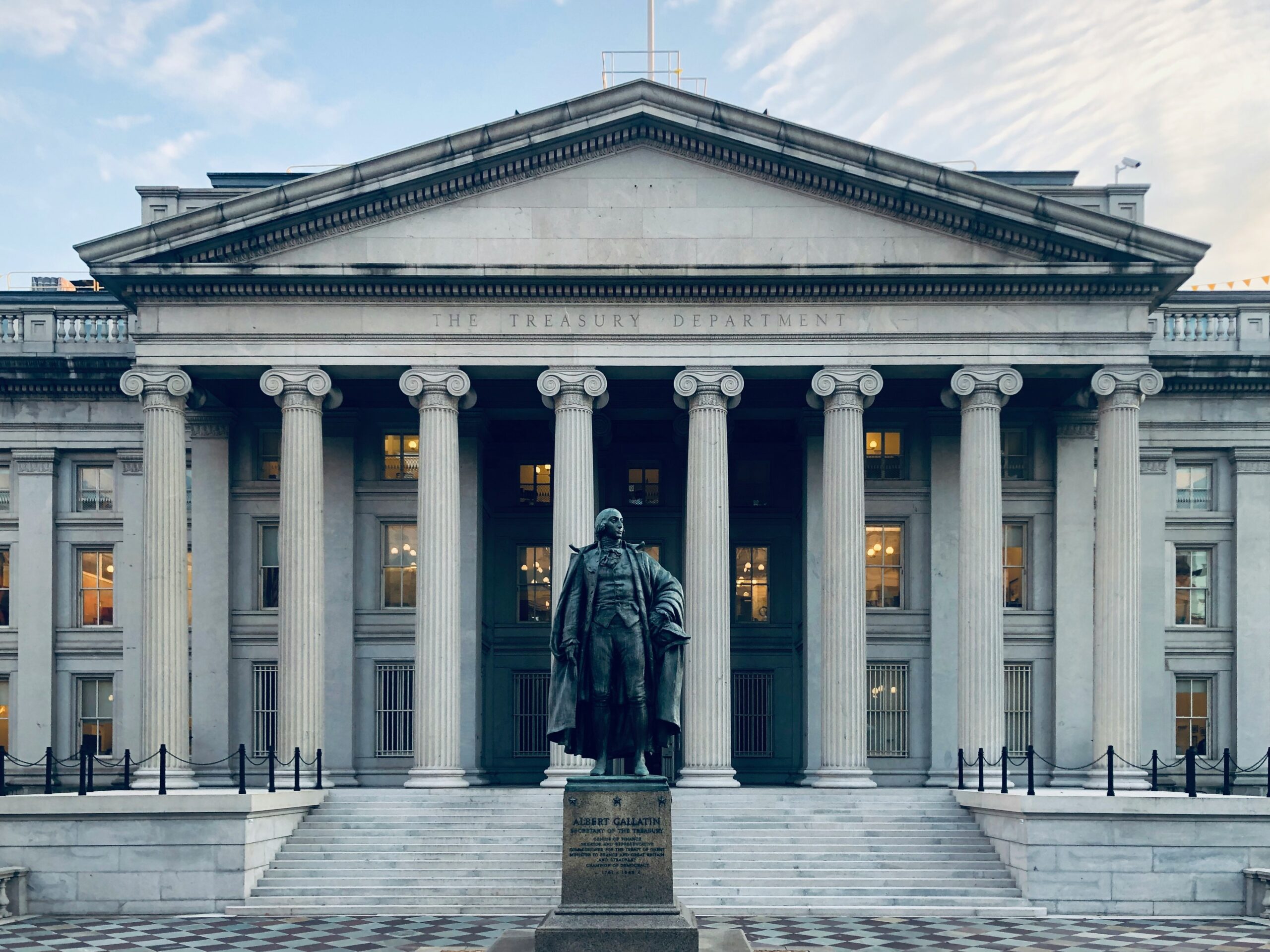
In March 2026, the U.S. Department of Education announced a new partnership with the U.S. Department of the Treasury to begin transferring key responsibilities for the federal student loan system. This includes moving the management and collection of defaulted student loans to the Treasury, with potential expansion to broader loan operations over time.
If you have federal student loans, here’s what this change means, and what to watch next.
What Is Changing With Student Loans in 2026?
The federal student loan portfolio has grown to nearly $1.7 trillion, with millions of borrowers in delinquency or default. Under this new partnership:- The Treasury Department will take over collection of defaulted student loans
- Treasury may later provide operational support for non-defaulted loans
- The Department of Education will still oversee federal student aid programs
Why Are Loans Being Moved to the Treasury?
The stated goal of this partnership is to improve how federal student loans are managed, particularly when it comes to borrowers in default. The Treasury Department has extensive experience handling large-scale financial systems, including:- Tax collection
- Payment processing
- Debt recovery
What This Means for Borrowers in Default
If your loans are already in default, this change is especially important. Treasury’s Bureau of the Fiscal Service has broad authority when it comes to debt collection, including:- Wage garnishment
- Tax refund offsets
- Federal benefit offsets
What About Borrowers in Repayment?
For now, borrowers who are:- Current on payments
- Enrolled in repayment plans
- Pursuing forgiveness programs
Why This Matters for the Future of Student Loans
This shift is not happening in isolation. It comes at a time when:- Default rates are rising
- Repayment systems are being restructured
- New plans like the Repayment Assistance Plan (RAP) are being introduced
What You Should Do Now
While borrowers in good standing don’t need to take immediate action just because of this transition, it’s a good time to:- Check your loan status (current, delinquent, or default)
- Understand your repayment plan and options
- Review your long-term strategy, especially if pursuing forgiveness
The Bottom Line
The transfer of federal student loan responsibilities to the Treasury Department marks a major shift in how student debt is managed in the United States. For borrowers in default, this could change how collections are handled. For others, the impact may come later as the system continues to evolve. Either way, this is part of a larger transformation of federal student loans, and understanding where you stand today is the best way to prepare for what comes next.Recent Posts


tslhg-admin
What’s Actually Happening With SAVE Right Now?

tslhg-admin
