

March 14, 2026
Do Your Student Loans Have Different PSLF Counts? Read This Before March 31
For borrowers working in public service, such as government agencies or eligible nonprofits, the Public Service Loan Forgiveness (PSLF) program can provide a powerful path to student loan relief. After making 120 qualifying monthly payments under an approved repayment plan while employed full-time by a qualifying employer, the remaining balance on eligible federal Direct Loans can be forgiven. This makes PSLF a crucial tool for public servants who want to manage student debt while serving their communities.
However, many borrowers discover a complication: their loans have different PSLF qualifying payment counts. This is common for individuals with loans from multiple stages of education, loans that entered repayment at different times, or loans with periods of deferment or forbearance. While consolidation can simplify repayment, upcoming rules make it critical to understand how it impacts your PSLF strategy before the March 31, 2026 consolidation deadline.
You can learn more about how PSLF works in our brief guide to Public Service Loan Forgiveness: https://www.tslhg.com/pslf
Why PSLF Payment Counts Can Differ
Several factors can cause loans to have different PSLF counts:- Undergraduate vs. Graduate Loans: Loans from different degrees often enter repayment at different times, creating mismatched PSLF progress.
- Deferment or Forbearance: Some loans may have paused payments due to in-school deferment or administrative forbearance, delaying qualifying payment accumulation.
- Previous Consolidation History: Borrowers who consolidated some but not all loans may have payment counts tracked separately for each loan.
How Consolidation Affects PSLF Borrowers
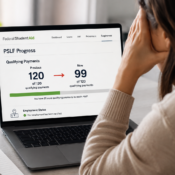
Consolidation simplifies your loans by combining multiple Direct Loans into a single Direct Consolidation Loan. For PSLF, consolidation produces a weighted average of the qualifying payment counts from the loans included. This means the new loan’s qualifying payments will fall somewhere between the highest and lowest counts of your original loans. It’s also important to note that consolidation resets your income-driven repayment (IDR) plan, meaning you must reapply using your current income and household size. Depending on your financial situation, this could change your current monthly payment amount.Why the March 31, 2026 Consolidation Deadline Matters
The March 31, 2026 deadline is significant for borrowers considering consolidation. Recent federal student loan legislation introduced a new repayment program called the Repayment Assistance Plan (RAP), which will launch in July 2026. Beginning July 1, 2026, loans whose consolidation finalizes after that date will only have access to this new income-driven repayment option. Borrowers who consolidate before the deadline will retain access to existing income-driven repayment plans, including:- Income-Contingent Repayment (ICR)
- Pay As You Earn (PAYE)
- Income-Based Repayment (IBR)
What Happens If You Wait
If you postpone consolidation past the March 31 deadline:- You cannot access legacy IDR plans; your only income-driven option will be RAP. The structure of RAP may affect your future monthly payment amount.
- Monthly payments may increase, especially for borrowers with dependents or lower income relative to their loan balance.
Action Steps Before March 31
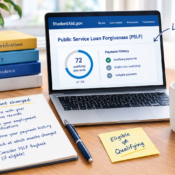
If you are pursuing PSLF and have multiple federal loans, consider taking these steps:- Review each loan’s PSLF payment count Log into your StudentAid.gov account and compare qualifying payment totals across loans.
- Evaluate whether consolidation makes sense Consolidation provides a weighted PSLF average, but resets your IDR plan.
- Review repayment plan eligibility Borrowers who consolidate before the deadline may retain access to more repayment options.
- Avoid last-minute decisions Consolidation applications can take time to process, so reviewing your options early is important.
The Bottom Line
Borrowers with multiple PSLF loans may have different qualifying payment counts, but consolidation provides a weighted average to simplify tracking. The March 31, 2026 consolidation deadline is critical for ensuring continued access to legacy IDR plans, which can offer lower payments and greater flexibility than RAP. Understanding your loan status and repayment options now allows you to make informed decisions that protect your progress toward PSLF. Start reviewing your loans today, consult with a student loan expert, and ensure you’re positioned for the best possible outcome.Recent Posts

tslhg-admin
What’s Actually Happening With SAVE Right Now?
tslhg-admin
